
Beschrijving
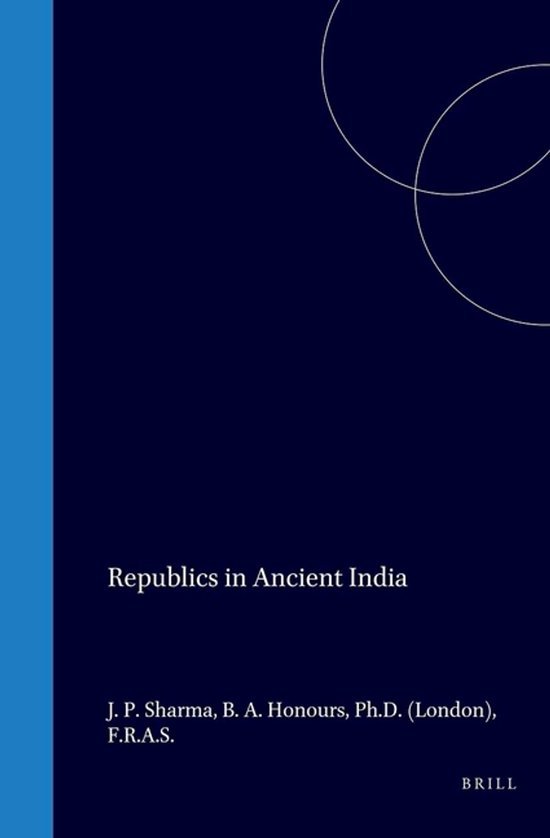
This scholarly work surveys the phenomenon of non-monarchical and republican forms of political organisation in ancient India during the period from roughly 1500 B.C. to 500 B.C. Sharma analyses how certain tribal and regional polities (known in Sanskrit/Pāli as gaṇa or saṅgha) operated alongside or in the interstices of the larger monarchical states. He examines their institutions — assemblies, councils, elective or hereditary offices — their geographic contexts (especially in the Ganges-Gangetic region and north-eastern India), and their interactions with the Vedic, early Buddhist and Jain traditions. The author situates these republics within the cultural and political evolution of early India: how Vedic tribal structures gave way to more organised forms of collective governance, how the rise of powerful monarchies both competed with and absorbed these republican polities, and how they eventually disappeared or transformed. The book is important for anyone interested in early Indian political history, particularly the lesser-studied republican or oligarchic aspects of ancient Indian polity.




Beoordelingen
Er zijn nog geen beoordelingen.