
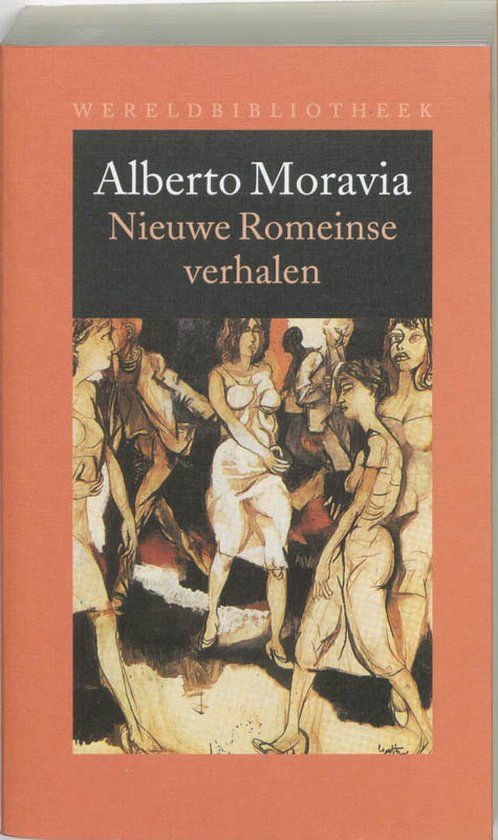

Beschrijving
Nieuwe Romeinse verhalen is een literaire bundel van de Italiaanse auteur Alberto Moravia, waarin een reeks uitgebreide verhalen en novellen zijn opgenomen die zich afspelen in en rond het stedelijke leven van Rome. Moravia staat bekend om zijn scherpzinnige observaties van menselijke relaties, sociale spanningen en de subtiele psychologische dynamiek tussen personages — thema’s die in deze verhalen op treffende wijze worden blootgelegd.
De verhalen belichten verschillende lagen van het stedelijke bestaan, van persoonlijke verlangens en onderlinge conflicten tot bredere maatschappelijke kwesties. Moravia’s stijl is een mix van realisme en introspectie: hij schetst situaties met oog voor detail en laat de innerlijke beweegredenen van zijn personages geleidelijk aan het licht komen. Door de diversiteit van de verhalen ontstaat een rijk palet van menselijke ervaringen en morele vraagstukken, variërend van liefde en macht tot identiteitszoektocht en existentiële twijfel.
Hoewel de bundel thematisch uiteenloopt, vormt de stad Rome steeds het culturele en sociale decor waarin de personages zich bewegen — een plaats die evenzeer spiegel is van het individuele innerlijk als van maatschappelijke veranderingen. Nieuwe Romeinse verhalen biedt daarom een kritische, betrokken en literaire kijk op het moderne leven zoals alleen Moravia dat kan neerzetten.



Beoordelingen
Er zijn nog geen beoordelingen.