
Beschrijving
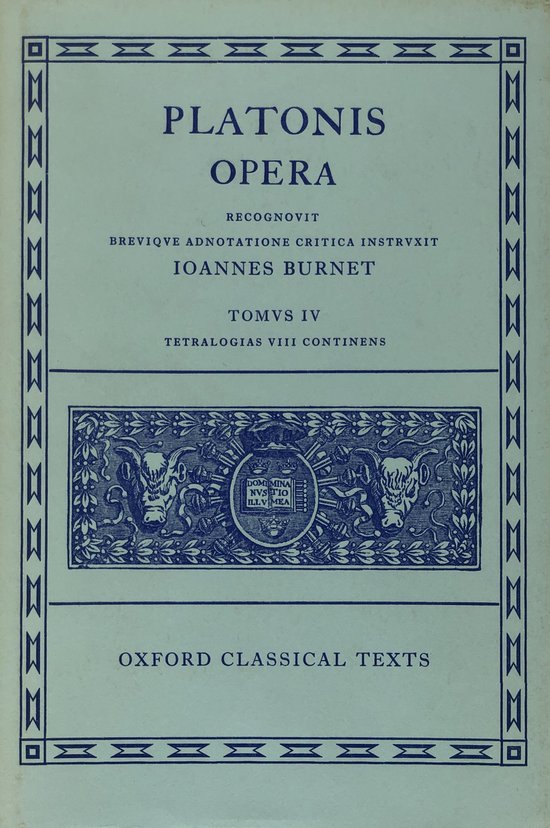
In the first section, Clitophon, Plato presents a short dialogue in which Socrates converses with Clitophon about the nature of justice and the proper way to follow Socrates’ teachings. Clitophon is eager yet frustrated, claiming that Socrates’ method of questioning often appeals but lacks clear guidance for action. The dialogue highlights the tension between philosophical inquiry and practical ethical living, and sets the stage for the deeper exploration of justice in the subsequent Republic.
In Republica (the Republic), Plato embarks on a far-reaching philosophical investigation of justice, the nature of the ideal state, the role of the philosopher-king, and the structure of the soul. Through the character of Socrates he explores how a just community might be ordered, how education and virtue are essential, and how individual justice mirrors political justice. The famous allegory of the cave, the theory of forms, and the tripartite soul appear here as pillars of his thought, culminating in the vision of the philosopher-king who, grasping the form of the good, rules wisely and fairly.
The final works, Timaeus and Critias, move into cosmology and myth: in Timaeus, Plato articulates a vision of the universe as a living creature with a soul, the role of the Demiurge (divine craftsman) who orders chaos, and the interplay of necessity and reason in the cosmos. Critias continues with a mythical recounting of the lost island of Atlantis, the ancient Athenian ideal state, and the decline into hubris and destruction. Together they show Plato’s attempt to unify ethics, politics, metaphysics and cosmology — suggesting that human virtue and political harmony reflect a cosmic order grounded in reason and the good.

Beoordelingen
Er zijn nog geen beoordelingen.