
Beschrijving
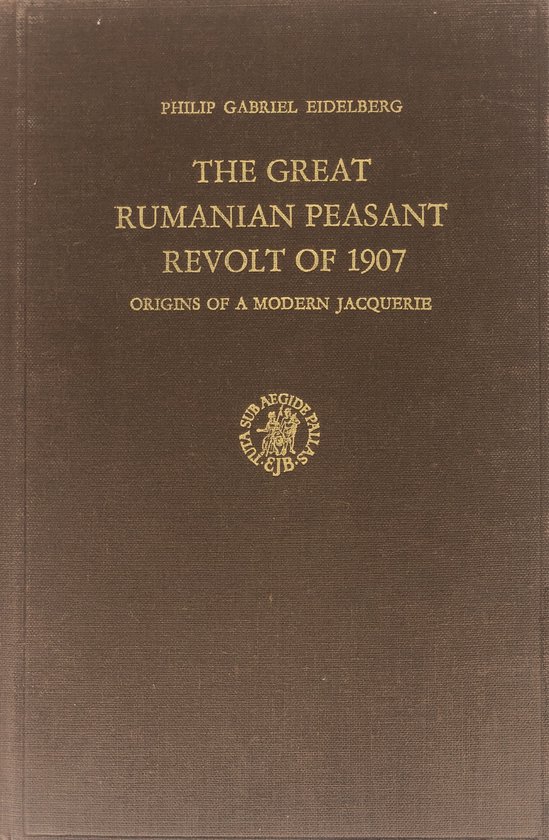
This scholarly work examines the 1907 uprising of Romanian peasants — a massive agrarian revolt that shocked contemporary Europe. Eidelberg explores the socioeconomic context of late-19th and early-20th-century Romania, showing how debt, land tenure systems, and rural inequality set the stage for rebellion. He charts the build-up in the years 1903-1906: the restrictive agricultural contracts, the banking reforms that failed to alleviate rural distress, and the awakening of peasants through communal movements.
In the core chapters the author gives a detailed narrative of the revolt itself: how peasants across Moldavia and Wallachia rose up, often spontaneously and violently, despite minimal leadership. He analyzes the geography, chronology and participants of the revolt, as well as the liberal government’s repressive response. He also offers comparative insight by treating the event as a “modern jacquerie”: a popular revolt against feudal‐style obligations and economic exploitation.
Finally, the book positions the revolt in a broader historical frame: it assesses its repercussions for Romanian politics, agrarian reform and social consciousness. By linking the uprising with structural agricultural problems and modernization delays, Eidelberg argues that the 1907 revolt remains a revealing case of rural protest in Europe. This work is essential reading for scholars of Eastern European history, agrarian movements and social upheaval.





Beoordelingen
Er zijn nog geen beoordelingen.