
Beschrijving
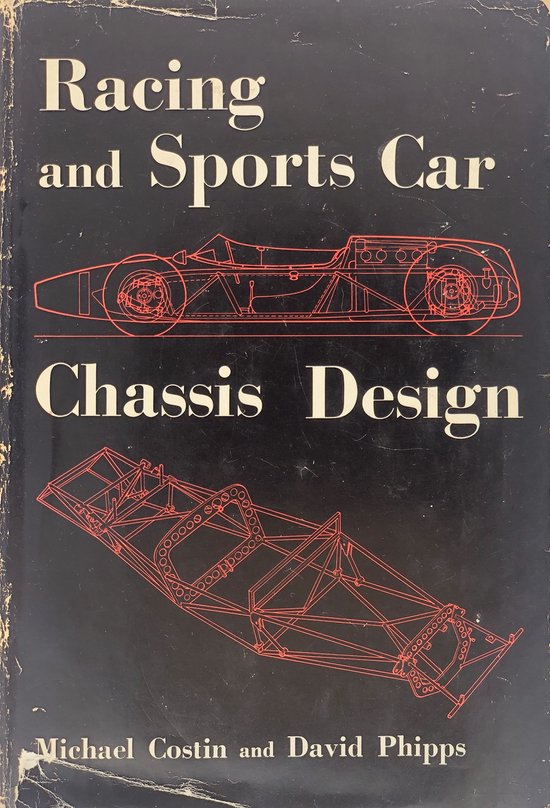
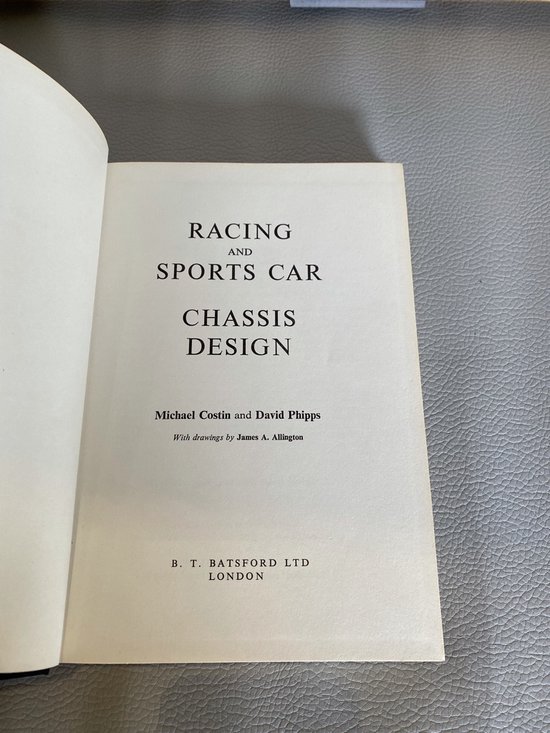
This book serves as a technical primer on the design and engineering of racing and sports car chassis, aimed at enthusiasts and professionals alike. It explains the core structural principles—such as weight distribution, torsional rigidity, suspension geometry, and frame/member configuration—in a clear and accessible way. The authors aim “to provide information on the more advanced types of chassis and suspension in a form which will be understood by the large majority of motoring enthusiasts.”
In the course of the chapters, the book explores materials (steel, aluminium, composites), structural analysis methods, typical chassis typologies (for example space-frame, monocoque, tube-frame), suspension layouts (double-wishbone, live axle, independent), load paths, and the impact of design decisions on handling, safety and performance. It combines theory with illustrated examples drawn from real racing and sports-car applications.
Finally, the book offers both historical and practical context: tracing how chassis design evolved in motorsport and sports-cars, how certain innovations emerged (such as triangulated tubular space-frames or inboard suspension), and how such design choices continue to influence modern car engineering. For anyone interested in the “bones” of a performance car, this work remains a valuable reference.




Beoordelingen
Er zijn nog geen beoordelingen.